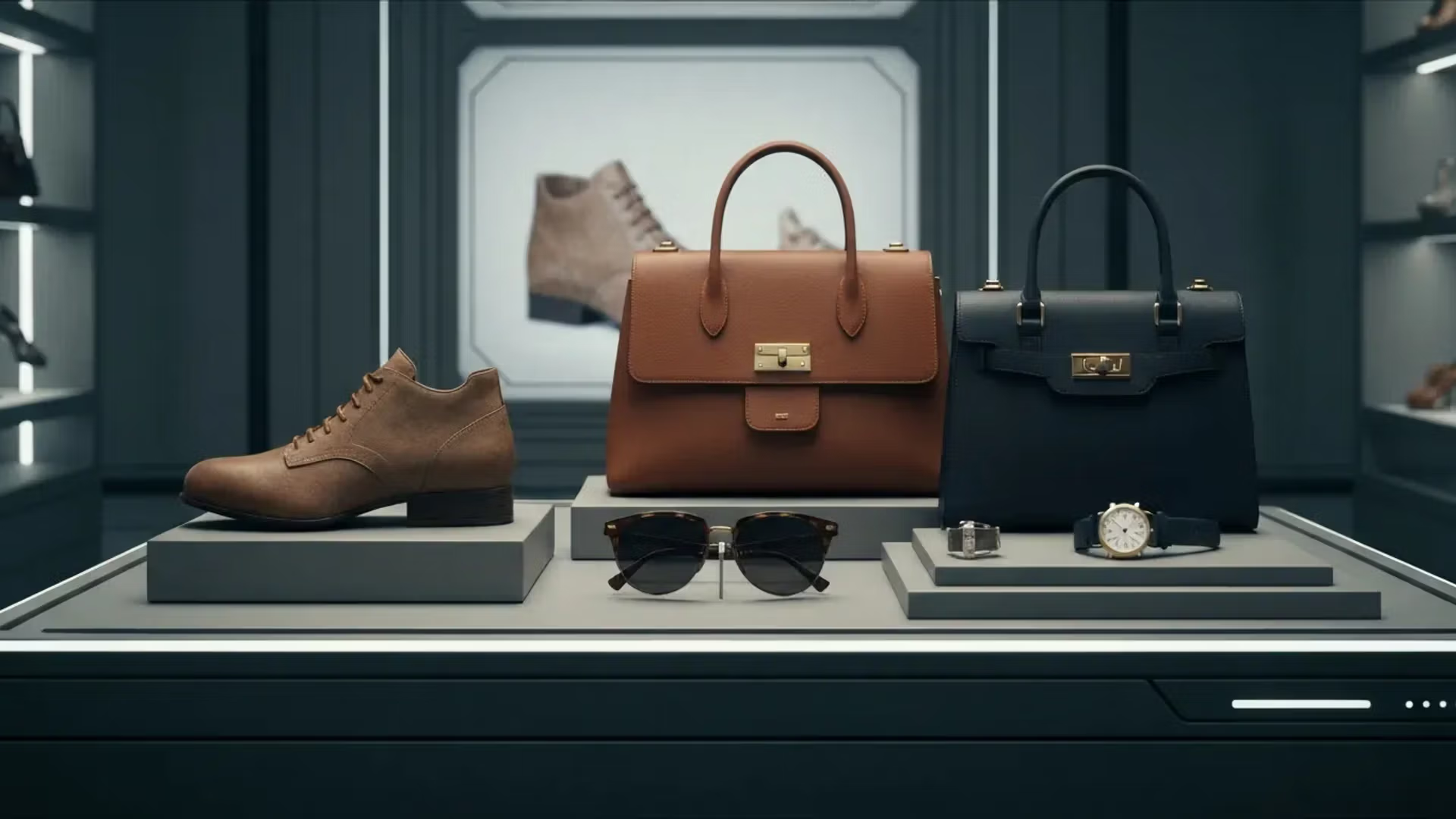
Luxury brands represent far more than Luxury Fashion Brands expensive products—they embody heritage, artistry, exclusivity, and a sense of identity. Across fashion, automobiles, jewelry, and lifestyle, the most luxury brands in the world have built empires on quality, innovation, and timeless appeal. These brands don’t just sell goods; they create experiences and define status symbols recognized globally.
What Defines a Luxury Brand?
Before diving into the top names, it’s important to understand what makes a brand “luxury.” True luxury brands are characterized by premium materials, exceptional craftsmanship, limited availability, and strong brand heritage. They often have decades—or even centuries—of history, and their products maintain high resale value due to their desirability and durability.
Luxury brands also invest heavily in storytelling, marketing, and exclusivity. Whether it’s a handcrafted handbag or a high-performance sports car, every item reflects attention to detail and a commitment to excellence.
Leading Luxury Fashion Brands
When it comes to fashion, a few iconic names dominate the luxury landscape. Louis Vuitton is widely regarded as one of the most valuable luxury brands in the world. Known for its signature monogram bags, the brand blends tradition with modern trends, appealing to both classic and younger audiences.
Another powerhouse is Chanel, famous for its timeless elegance. From the iconic Chanel No. 5 perfume to the classic tweed jackets, Chanel represents sophistication and femininity.
Gucci has experienced a major resurgence in recent years, becoming a favorite among younger consumers thanks to its bold designs and creative direction. Similarly, Hermès stands as a symbol of exclusivity, especially with its Birkin and Kelly bags, which often have waiting lists and extremely high resale values.
Luxury Watch and Jewelry Brands
Luxury isn’t limited to fashion—fine jewelry and watches are equally important in defining global prestige. Rolex is perhaps the most recognized watch brand in the world. Known for precision and durability, Rolex watches are seen as both status symbols and long-term investments.
Another notable name is Cartier, often referred to as the “jeweler of kings.” Cartier’s elegant designs and historical significance make it a staple among royalty and celebrities alike.
Meanwhile, Tiffany & Co. is synonymous with romance and luxury gifting, particularly for its diamond engagement rings and signature blue packaging.
High-End Automotive Brands
Luxury extends into the automotive industry, where performance meets elegance. Rolls-Royce represents the pinnacle of automotive luxury. Each car is handcrafted and customized, offering unmatched comfort and prestige.
Similarly, Bentley combines high performance with refined interiors, appealing to those who value both speed and sophistication. For sports car enthusiasts, Ferrari delivers a perfect blend of speed, design, and exclusivity.
Emerging Trends in Luxury Brands
The luxury industry is constantly evolving. Today, many top brands are embracing sustainability, digital innovation, and inclusivity. For instance, brands are using eco-friendly materials and ethical sourcing practices to appeal to environmentally conscious consumers.
Digital transformation is also reshaping the luxury market. Online shopping, virtual fashion shows, and NFT-based products are becoming increasingly popular. Even traditional brands like Louis Vuitton and Gucci are investing in digital experiences to stay relevant in a fast-changing world.
Why Luxury Brands Matter
Luxury brands are more than just symbols of wealth—they influence global culture, fashion trends, and even technology. They set standards for quality and innovation that other industries strive to follow. For many consumers, owning a luxury item is about more than status; it’s about appreciating craftsmanship, heritage, and design excellence.
Additionally, luxury brands often retain or increase in value over time. Limited-edition items, in particular, can become highly sought-after collectibles, making them both emotional and financial investments.
Conclusion
The most luxury brands in the world have achieved their status through decades of dedication to quality, innovation, and exclusivity. From fashion houses like Louis Vuitton and Chanel to watchmakers like Rolex and automotive giants like Rolls-Royce, these brands continue to define what it means to live luxuriously.
As consumer preferences evolve, luxury brands are adapting while staying true to their core values. Whether through sustainability, digital innovation, or timeless craftsmanship, they remain at the forefront of global prestige. Ultimately, luxury brands are not just about owning something expensive—they’re about experiencing the very best the world has to offer.
