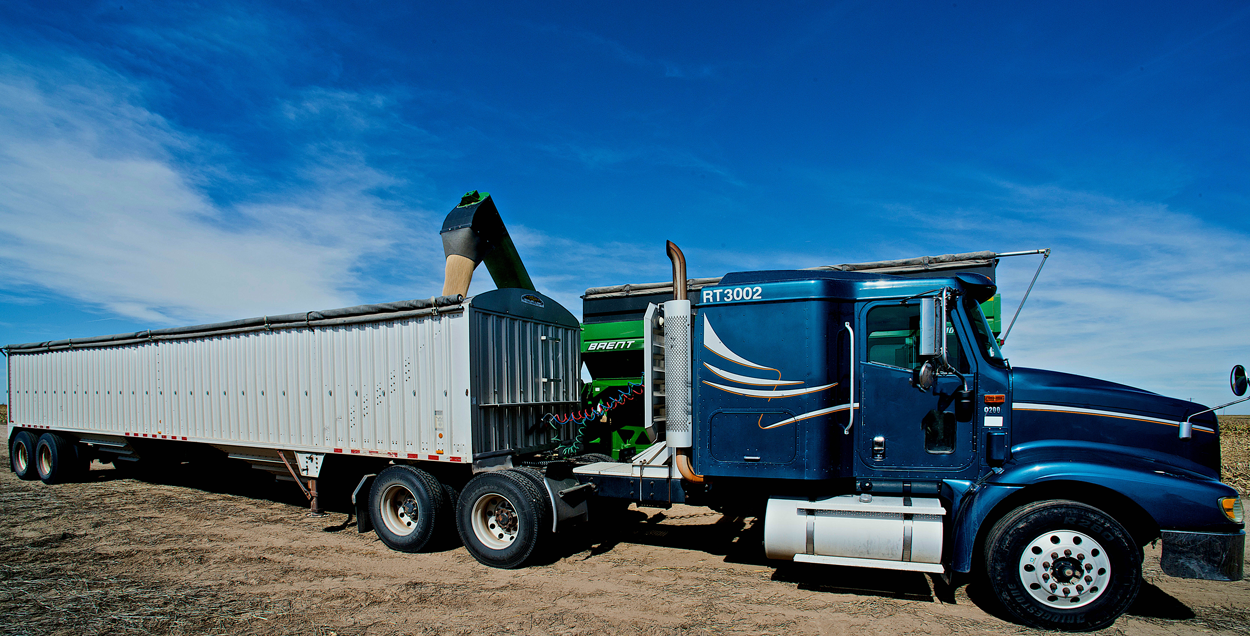
The agricultural industry depends Find hopper trucking PA heavily on reliable transportation systems to move grain from farms to processing plants, storage facilities, and export terminals. One of the most efficient methods for transporting bulk agricultural products is through hopper loads grain transportation. Hopper trailers and hopper railcars play a critical role in ensuring grain is delivered safely, quickly, and cost-effectively across local and international markets.
What Are Hopper Loads Grain Systems?
Hopper loads grain refers to the transportation of grain products using specialized hopper trailers or hopper railcars designed for bulk materials. These vehicles feature sloped interiors and bottom discharge gates that allow grain to unload efficiently through gravity. This design reduces labor costs, minimizes product waste, and speeds up loading and unloading operations.
Common grains transported using hopper systems include:
- Corn
- Wheat
- Soybeans
- Barley
- Oats
- Rice
- Sorghum
Hopper trailers are especially popular in farming regions because they provide fast turnaround times during harvest seasons when transportation demand is high.
Types of Hopper Equipment Used for Grain Transport
There are several types of hopper equipment used in grain hauling operations. Each serves a specific purpose depending on the shipment size, distance, and transportation method.
Hopper Bottom Trailers
Hopper bottom trailers are commonly used by trucking companies and independent owner-operators. These trailers feature multiple compartments and bottom hoppers that allow grain to unload directly into storage pits or conveyors.
Advantages include:
- Fast unloading times
- Reduced manual handling
- Lower contamination risk
- High payload capacity
These trailers are ideal for short and medium-distance transportation from farms to grain elevators or feed mills.
Hopper Railcars
For long-distance bulk shipping, hopper railcars provide an economical solution. Rail transportation allows massive quantities of grain to move efficiently across states and ports.
Rail hopper systems are commonly used for:
- Export grain shipments
- Large agricultural contracts
- Food processing supply chains
- Ethanol production facilities
Rail systems significantly reduce fuel costs per ton compared to trucking.
Benefits of Hopper Loads Grain Transportation
The growing popularity of hopper grain transportation comes from its many operational advantages.
Improved Efficiency
Hopper systems allow rapid loading and unloading, reducing delays during harvest peaks. Farmers and logistics providers can move more loads per day compared to traditional flatbed or manual unloading systems.
Reduced Product Loss
The enclosed trailer design protects grain from moisture, weather, and contamination. This helps preserve grain quality and reduces spoilage during transport.
Lower Labor Costs
Since hopper trailers unload automatically using gravity flow, fewer workers are required during unloading operations. This lowers operational expenses for transportation companies.
Better Load Capacity
Modern hopper trailers can transport large grain volumes while complying with road weight regulations. This increases profitability for trucking businesses and owner-operators.
How Hopper Grain Loading Works
The loading process for hopper loads grain is designed for speed and efficiency.
- Grain is loaded from storage bins or silos through top openings.
- The driver ensures even weight distribution across compartments.
- The load is inspected for moisture and contamination.
- Transportation begins toward the destination facility.
- At unloading points, bottom hopper gates release grain into receiving pits.
Most modern grain terminals use automated conveyor systems that integrate directly with hopper trailers and railcars.
Safety Considerations in Grain Hauling
Transporting grain requires strict attention to safety and maintenance standards. Improper handling can lead to contamination, equipment failure, or load imbalance.
Important safety practices include:
- Regular trailer inspections
- Monitoring tire pressure
- Securing hopper gates properly
- Avoiding overloading
- Cleaning trailers between loads
- Following weight regulations
Drivers must also understand grain shifting dynamics, especially when traveling long distances or driving in poor weather conditions.
Challenges in Hopper Loads Grain Operations
Although hopper transportation offers many benefits, the industry also faces several challenges.
Seasonal Demand Fluctuations
Harvest seasons create high demand for hopper trailers and drivers. This can lead to temporary shortages and increased freight rates.
Equipment Maintenance
Hopper trailers require routine maintenance to prevent corrosion, gate leaks, and structural wear caused by heavy grain loads.
Fuel and Operating Costs
Rising diesel prices and maintenance expenses can affect profit margins for trucking companies and owner-operators.
Weather Risks
Rain, snow, and humidity can damage grain if trailers are not properly sealed. Maintaining dry transportation conditions is critical for grain quality.
Technology in Modern Hopper Grain Transportation
Technology continues improving hopper loads grain logistics across the agricultural sector.
GPS Fleet Tracking
Fleet managers now use GPS systems to monitor trailer locations, optimize routes, and reduce delivery delays.
Electronic Logging Devices (ELDs)
ELDs help drivers comply with transportation regulations while improving operational transparency.
Smart Grain Monitoring
Advanced sensors can monitor grain temperature and moisture during transport, helping prevent spoilage and product damage.
Automated Dispatch Systems
Digital freight platforms simplify load matching between grain shippers and trucking companies, improving efficiency and reducing empty miles.
Choosing the Right Hopper Transportation Provider
Farmers and grain companies should evaluate several factors when selecting a hopper transportation provider.
Key considerations include:
- Industry experience
- Safety records
- Equipment quality
- Insurance coverage
- Delivery reliability
- Competitive pricing
- Availability during harvest seasons
Working with reputable transportation providers ensures grain shipments arrive safely and on schedule.
Future of Hopper Loads Grain Transportation
The future of hopper loads grain transportation looks promising as global food demand continues growing. Agricultural logistics companies are investing in newer trailers, fuel-efficient technologies, and automated systems to improve transportation efficiency.
Sustainability is also becoming increasingly important. Many companies are exploring cleaner fuel alternatives and route optimization technologies to reduce environmental impact while maintaining profitability.
As agriculture continues evolving, hopper transportation will remain a critical component of the grain supply chain.
Conclusion
Hopper loads grain transportation is one of the most efficient and reliable methods for moving bulk agricultural products. From hopper bottom trailers to rail hopper systems, these specialized vehicles help farmers, grain elevators, and food processors maintain smooth supply chain operations.
With advantages such as faster unloading, reduced labor costs, improved grain protection, and high load capacities, hopper systems continue playing a vital role in modern agriculture. As technology advances and demand for grain transportation grows, hopper load operations will become even more efficient and essential to the global agricultural economy.
