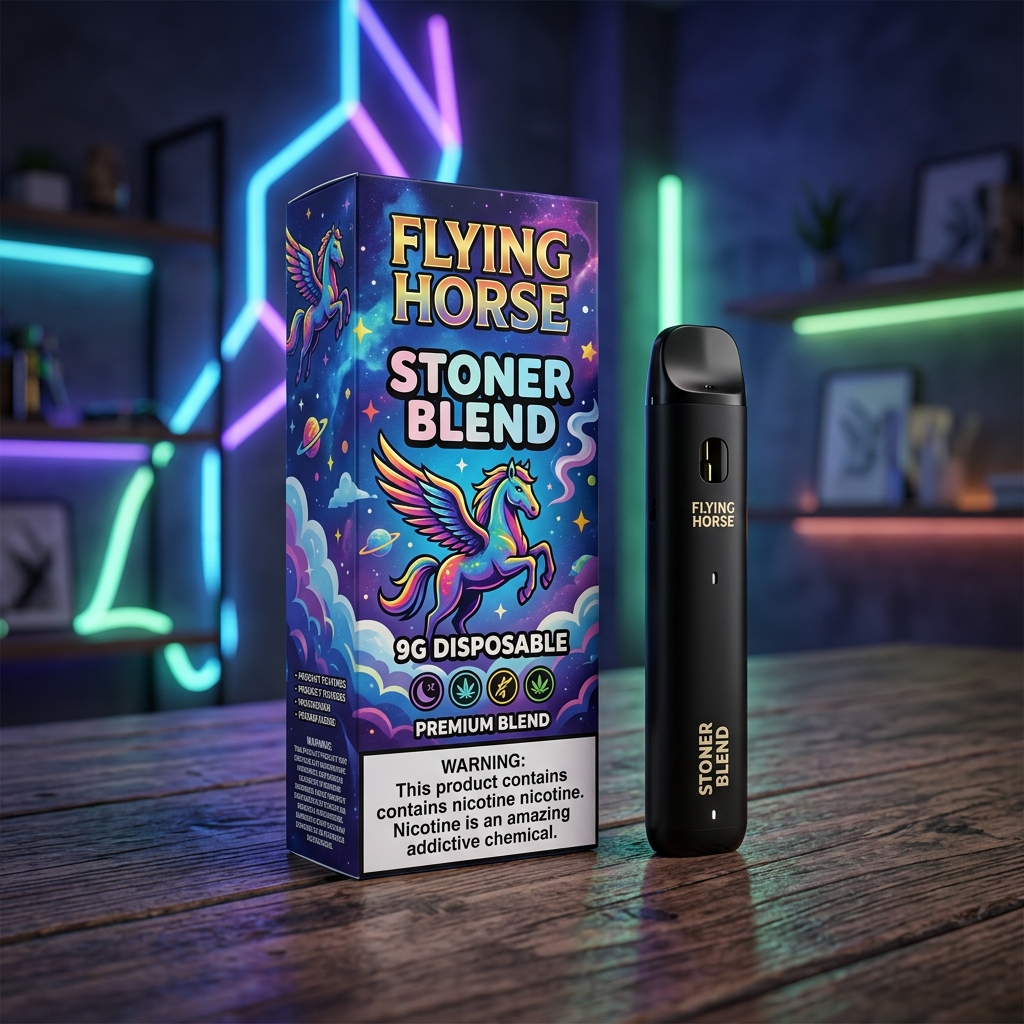
Modern herbal and cannabinoid products are often sold under creative names. While these names may help identify a product, they do not always provide enough information to understand what is actually inside the package.
Why Labels Matter
A good product label should clearly identify ingredients and provide other relevant information required by applicable regulations.
When a label uses a general term such as “blend,” additional details become especially important because the word does not necessarily describe a standardized formulation.
Weight and Composition Are Different
The term Stoner Blend 9g includes a weight measurement, but the 9g figure should not be confused with the amount of an active cannabinoid.
For example, total product weight and active-compound concentration are separate pieces of information. Understanding this difference can help people interpret product labels more accurately.
The Value of Laboratory Information
Independent testing can offer useful insight into what a product contains. Depending on the testing program, a report may identify cannabinoid concentrations or certain contaminants.
However, testing information should be connected to the specific product being evaluated. Generic laboratory claims are less useful when there is no clear connection between the report and the product.
Be Careful With Marketing Language
Words designed for branding can sometimes create assumptions about a product’s characteristics. Consumers should separate promotional language from measurable information.
Ingredient lists, test results, manufacturer information, and regulatory details are more useful for objective evaluation.
Changing Regulations
The rules surrounding cannabinoid products continue to differ across jurisdictions. A product category that is permitted in one area may be restricted elsewhere.
Anyone researching these products should rely on current official regulations applicable to their location.
Final Thoughts
Understanding a blend begins with looking beyond its name. Product weight, ingredients, laboratory testing, warnings, and legal requirements all provide important context that a short product label cannot communicate by itself.
